Free Shipping On All Orders | Ends 1/2

Some might view nosing as a practice reserved only for whisky connoisseurs. In truth, just about anybody can develop the skills to discern the more subtle nuances of whisky and elevate the tasting experience.
It’s called nosing because that’s where the perception starts. Aromas are lifted from the glass to your nose, pre-empting the flavors you’ll experience when you taste it.
Some tasters linger over the nose, discerning the many layers of fruit, oak, and smoke for several minutes before tasting. In fact, many feel that the nose is almost as important, if not more so, than the palate itself.
If you’re new to whisky, some of the descriptors tasters toss around might seem like a foreign language. Ultimately, it’s a game of patience. You have to train your nose to recognize some of the more subtle aromas. The more you taste, the better you’ll be at it!
Whether you’re new to whisky or a seasoned taster, we have some tips to help you hone your nosing skills, enhance your enjoyment, and taste whisky like a pro.
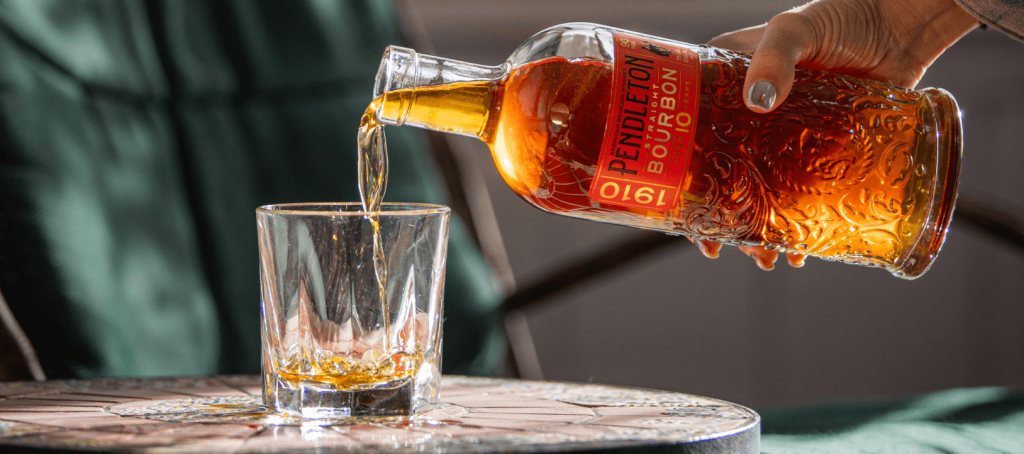
A variety of factors contribute to whisky’s distinct aromas. The type of grain used is one aspect. Whiskies made from barley tend to have a roasted toffee character, while corn whisky is sweeter, showing vanilla notes. Rye whisky is peppery, and wheat whiskies have a bread-like aroma, often with a honeyed sweetness. Most whiskies are blended from several grains and can offer any or all of these aromas.
Malting also affects the aroma. Malting is the process of germinating the grain, which converts starch to sugars. The grains develop a biscuity roasted flavor and may also take on aspects of the wood or fuel used to heat it during this process. In Scotland, they malt their grain over a peat fire, imparting a unique character to the whisky.
Whisky is matured in oak barrels, lending a unique range of flavors and aromas to the spirit. As the spirit spends time in a barrel, it takes on extract from the wood. Oak-derived aromas can range from toast, wood smoke, vanilla, and baking spice to butterscotch, honey, brown sugar, and coconut.
You can learn more about how Pendleton® Whisky is made, and also check out our comprehensive guide to Canadian Whisky.
Now that we’ve whetted your palate, let’s get ready to taste.
Whisky is best served at room temperature, about 65˚F. If your storage conditions are a little cooler, let the spirits acclimatize in the glass for 15 minutes or so before tasting, or hold the glass in your hands to gently warm it. We have some expert tips for you on how to store whisky.
The right whisky-tasting glassware is essential to maximize the experience. While you can technically taste with almost any glass, the shape will impact your perception.
Nosing glasses are recommended. The tulip shape lifts the aromas to your nose, so you experience it before the spirit hits your palate. Rocks glasses are okay, too, but be aware that the wider the opening of the glass, the faster the aroma will dissipate.
Shot glasses, while a back bar staple, are not the best choice for nosing.
Use one glass for each whisky you’re nosing, that way, you can compare. If you’re curious about which glass is best, try every type of glass you have and see how they differ.