Free Shipping On All Orders | Ends 1/2
Whisky’s roots can be traced to Scotland, where it’s been made the same way for over five centuries. Over the years, techniques have been refined and perfected, and the tradition made its way to distant shores, notably North America, where the spirit continues to evolve in style and provenance.
Today, we’ll dive deep into the whisky-making process, from grain selection and fermentation to bottling—the final meticulous step before it’s poured into your glass. The journey is not a quick one. Much care goes into making a fine spirit like Pendleton® Whisky, but the result is something we can all be proud of.
Quality ingredients are essential to producing a premium product. We are meticulous about grain selection, ensuring every batch is fresh and aromatic. We choose only the finest northern barley, rye, corn, and wheat sourced from farms that share our commitment to quality. Only the best will do!
Once our grains pass quality control checks, they are milled, blended with the purest Mt. Hood glacier-fed spring water and select yeasts, and cooked to break down starches and release sugars. The yeast then gets to work, digesting the sugars and turning them into alcohol and CO2. Yeast selection is critical as it has a significant influence on the flavor of the whisky. Fermentation may take several days to produce the mash tun, with an alcohol level between 6-8% and often described as more like beer than whisky. The mash is then sent to the still for the next phase of its journey.
The distiller’s craft has been described as the perfect balance between art and science. The timing, temperature, and measurements must be precise—that’s the science part. The master distiller applies expertise and intuition to monitor the process and maintain optimal temperatures to ensure a superior product. Using pot stills and distilling in small batches offers exceptional control and produces a more consistent product. The spirit comes out of the still at 180-190 proof and is then heated and distilled again to refine its characteristics.
Canadian whisky requires a minimum of three years in oak casks. Most whisky distillers use a variety of casks, some new, some used, and some having been previously used for wine, sherry, bourbon, or cognac. Each barrel imparts unique characteristics, like spice, caramel, vanilla, dried fruit, nuts, and other distinctive notes, that add layers of nuance to the final blend.
Blending whisky is an art, it requires a meticulous palate and precise measurement. Each barrel is unique, and master blenders craft their recipes using several to achieve the final result. Occasionally, a single barrel will be so outstanding that it merits its own unblended bottling and will be labeled as a “single cask” or “single barrel.” These are among the rarest whiskies and an excellent gift to any whisky enthusiast.
Bottling is the final step before the whisky lands in your glass. Meticulous quality control is essential here. Before bottling, many whiskies are chill-filtered to ensure they do not cloud up when you add ice. The whisky is cut with pure spring water and bottled at a minimum of 40% ABV.
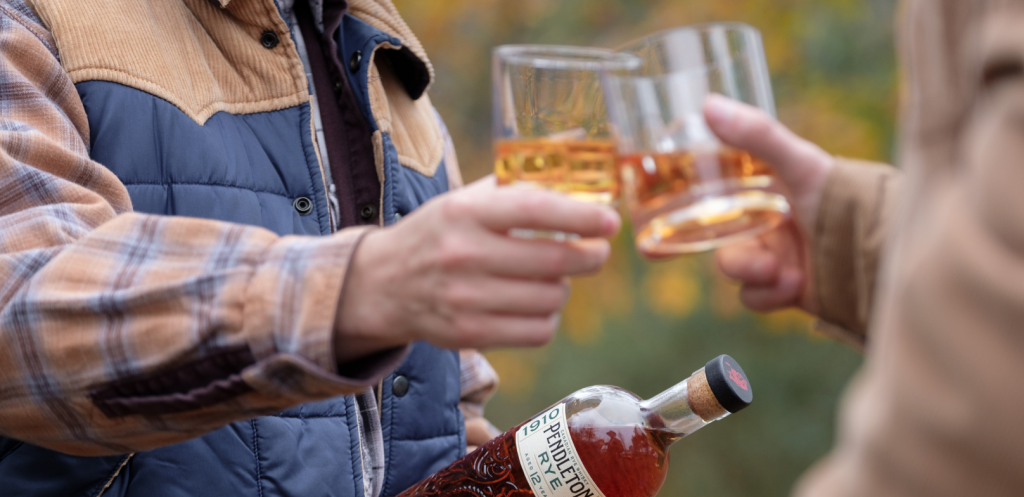
The time spent on the whisky-making process, from the start of fermentation, can take up to a week. However, the spirit must then be aged, blended, and bottled, which adds another three weeks or more.
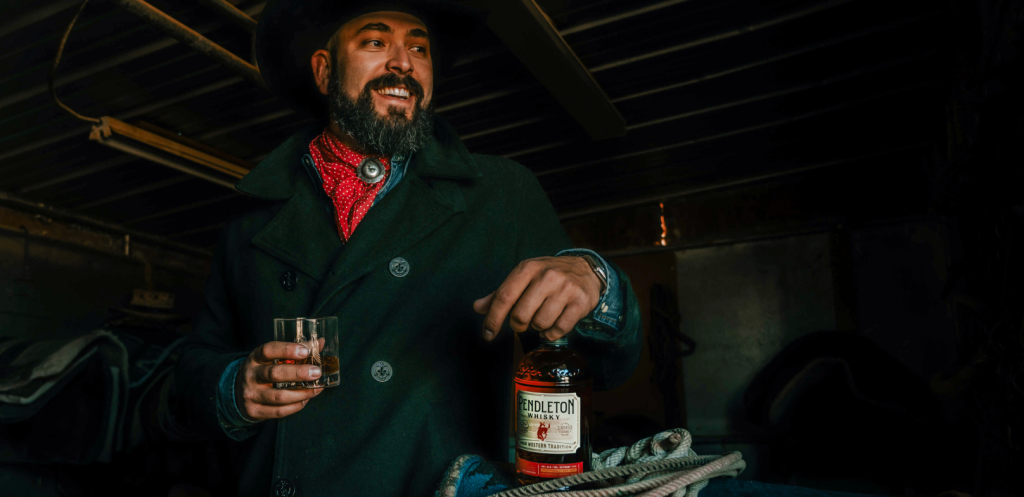
Canadian whisky is one of the most versatile whiskies you can imbibe, but the final answer is down to you. Enjoy it neat, over ice, or in a cocktail—there are no wrong answers!
We love classic whisky cocktails—they are classic for a reason! Check out our cocktail recipes to discover your next favorite!

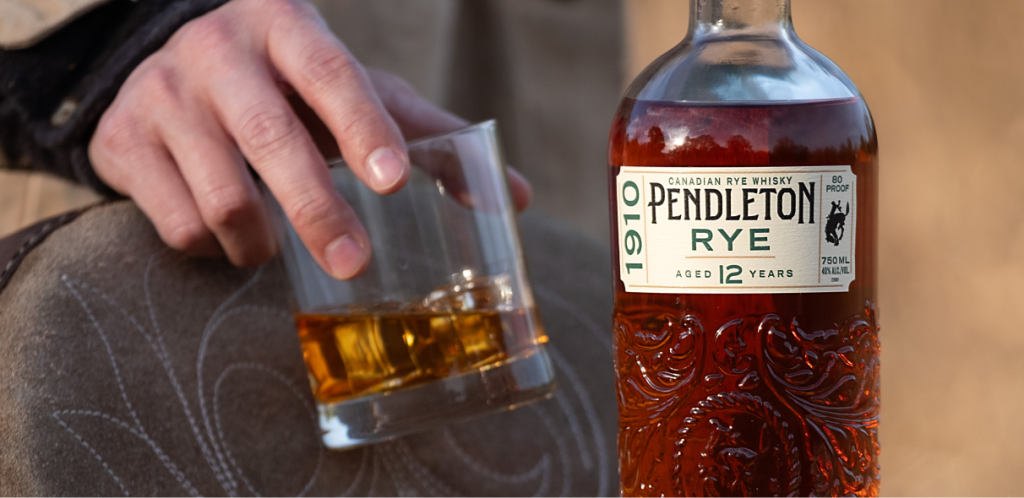
Learning about whisky and whisky-making is an excellent way to enhance your enjoyment. Browse our blog to learn more or order a bottle of Pendleton® Whisky for delivery to your door.