

Free Shipping On All Orders | Ends 1/2
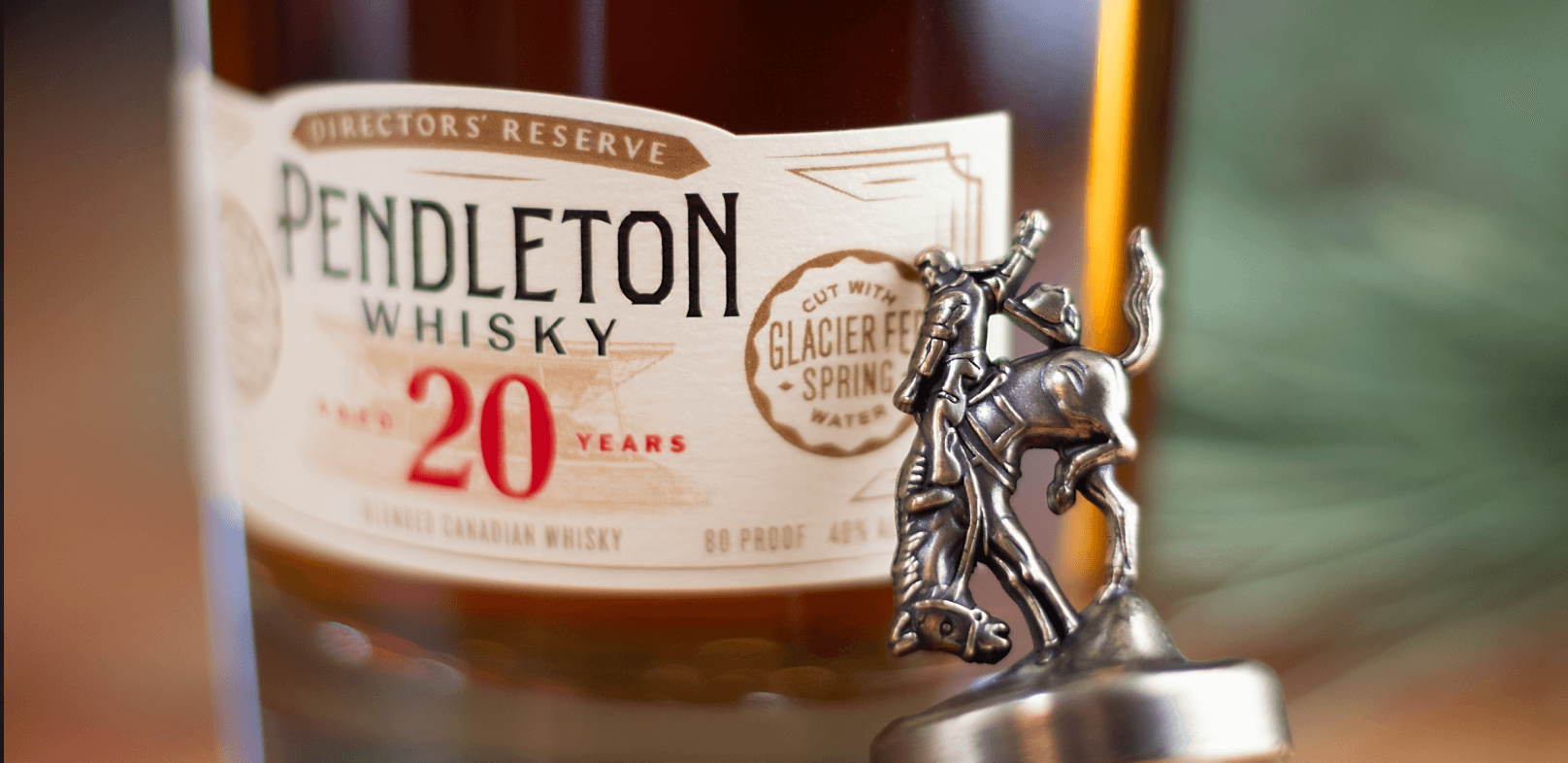
Every bottle of Pendleton® Whisky tells a story. Some are distilled boldly; some sweet and spiced; but one common thread transcends every bottle: quality. This not only unfolds in any glass you pour, but is revealed on every bottle label that’s in your whisky cabinet.
Understanding a whisky label in its entirety can open up a frontier of possibilities. Whether you’re an aspiring whisky enthusiast or a seasoned collector, knowing how to read whisky labels not only helps you build out your bar cart with confidence, but also opens the door to deeper conversations. The more you understand, the more you’ll be able to share insights, ask the right questions, and position yourself as an expert among friends and fellow whisky lovers.
What does ABV mean for whisky? Alcohol by Volume, ABV for short, is your first insight into a bottle of whisky. This percentage reflects not only the alcohol strength of the spirit, but the type of tasting experience you can expect.
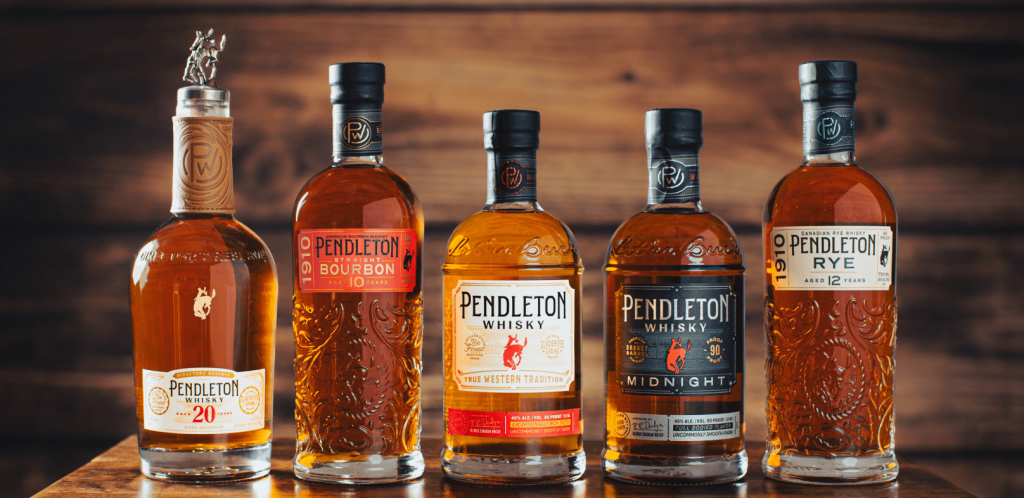
Let’s put this age-old question to rest: Does older whisky always taste better?
Contrary to belief, age is just a number in this equation. Yes, a whisky’s age can speak to the patience and craft distilled into the bottle. But many high-quality, thoughtfully crafted whiskies have NAS. Let’s walk through their key differences.
An age statement’s purpose is to guarantee the amount of time the whisky spent aging in oak barrels. For Canadian Whisky, it must be aged for a minimum of three years by law. While not a signifier of quality alone, a whisky’s age can speak to the maturation process’s influence on flavor. Take Pendleton® Whisky 1910 Rye, for example, where 12 years of aging in oak barrels are essential in creating the rare, peppery rye flavor tasted in every glass.
While whisky age statements speak to the minimum amount of time aged in a barrel, labels with NAS focus more on the flavor. As long as it’s produced with quality ingredients from a master distiller, the amount of time on the bottle is only part of the story, which is why it’s not mandatory to include it on every bottle.
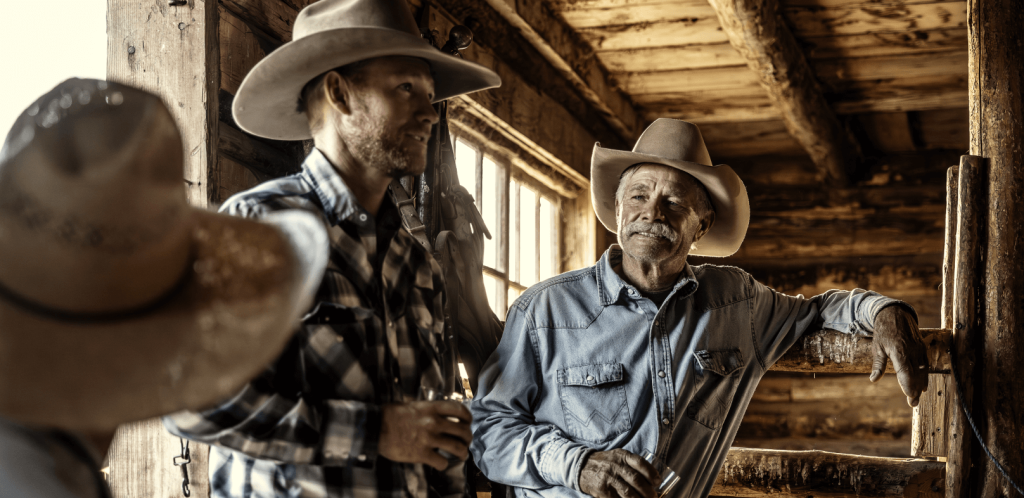
While our bold history began in the American West, our Canadian Whisky has influences that trace back to traditional Scottish distilling techniques.
So how does location impact the whisky (or whiskey) you drink? From grain sourcing to dirt and climate, a whisky’s origin can speak to the quality, flavor, and type of spirit you will enjoy. Regions of Scotland highlight their own unique taste profiles, from smoky, peated malts of Islay to the fruity, rich whiskies of Speyside. In the U.S., bourbon has a slight sweetness and corn-forward taste, while Tennessee whiskey is bold yet smooth.
Distilled in Canada’s intense climate and refined in Oregon with glacier-fed spring water from Mt. Hood, Pendleton® Whisky reveals a bold, rye-forward character. Curious to learn more about our spirit’s unique smoothness and character? Explore our Comprehensive Canadian Whisky Guide.
A mash bill is what creates that amber-hued dram that you love. There’s a specific recipe all distillers have to adhere to in their spirit category, and that’s usually referencing the grain type and the amount used.
This is what you can expect:

A whisky cask finish can change your experience entirely, and really highlight a master distiller’s skill set. Here’s a roundup of some flavor indicators that you can experience in a well-crafted spirit:
There’s a level of exclusivity with bottles as fine as these. Small-batch callouts or numbers themselves cue a whisky drinker to a more intimate distilling process at play. From experimental expressions to special occasions, small batches and limited releases are a perfect way to grow your whisky collection with rare and handcrafted whiskies.
They say not to judge a book by its cover, but in this case, we give you permission.
A whisky bottle’s design is an indicator of authenticity and a brand’s story. For Pendleton® Whisky, the embossed lettering and Western-style typography are not only design choices, but also a nod to the American way of life.
Our limited-edition Military Edition Bottle, showcases a design that reflects our heritage and a commitment to community. Or next time you pour Pendleton® 1910 Bourbon, take a closer look at the ticket-shaped label—a tribute to the very first Pendleton Round-Up in 1910. Our Directors’ Reserve bottle is a masterpiece in its own right, adorned with an authentically handcrafted leather neck cuff by third-generation saddle maker Randy Severe, whose family has been crafting custom saddles for nearly 70 years.
Seen on almost every bottle, these details are printed for the sake of transparency for us whisky drinkers. Mandatory on all labels, size and government warnings can ensure authenticity and that it adheres to all rules and regulations required of the spirit. Most whisky bottles come in a standard 750mL size, helping maintain consistency in taste from bottle to bottle.

This is where it all comes together. To us, it’s more than just a label. Pendleton® Whisky is a bold story of true Western tradition and the spirit that brings us together. Understanding whisky labels comes with time, but like any good thing, it’s well worth the wait.
For now, grab your best glass and pick up a bottle of Pendleton® Whisky today to try out your new label knowledge.